

PEOPLE
At Recovery Outdoor, our work is created and shared by multidisciplinary teams who share our relational, holistic understanding of mental health support and recovery. It is our firm belief that sustainable recovery support cannot be held by a single profession alone, but requires collaboration across clinical insight, experiential practice, and lived recovery experience. Our teams are shaped to support participants across the many phases of the recovery journey, that involves rebuilding safety, meaning, and connection in everyday life. Our people come together across three interconnected professional roles:
Therapeutic Professionals & Practitioners – Psychologists, therapists, and clinical practitioners who contribute attachment-informed, trauma-aware perspectives, supporting psychological safety, ethical grounding, and reflective practice within our programs.
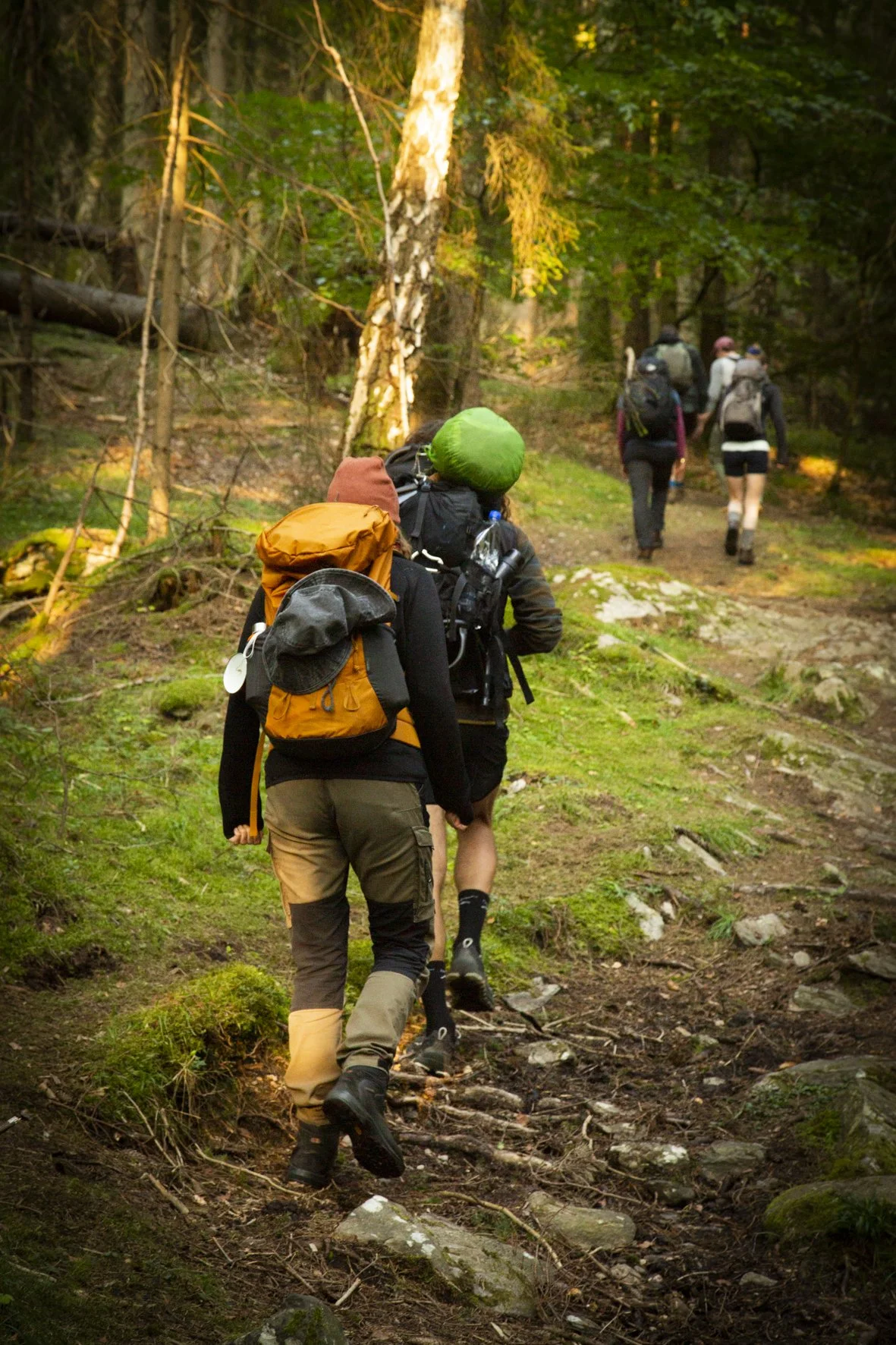
Wilderness Guides & Activity Leaders – Outdoor professionals who design and facilitate nature-based experiences, holding responsibility for safety, structure, and engagement while creating conditions for exploration, presence, and embodied learning.
Recovery Coaches & Peer Support Specialists – Professionals with lived experience of recovery who offer relational continuity, credibility, and everyday recovery insight, supporting participants through trust, shared understanding, and practical guidance.
Together, these roles form an integrated team approach rather than parallel functions. Through close collaboration, our teams create recovery environments where clinical understanding, experiential learning, and peer connection reinforce one another; supporting recovery as a process rooted in relationship, context, and sustained growth over time.





-
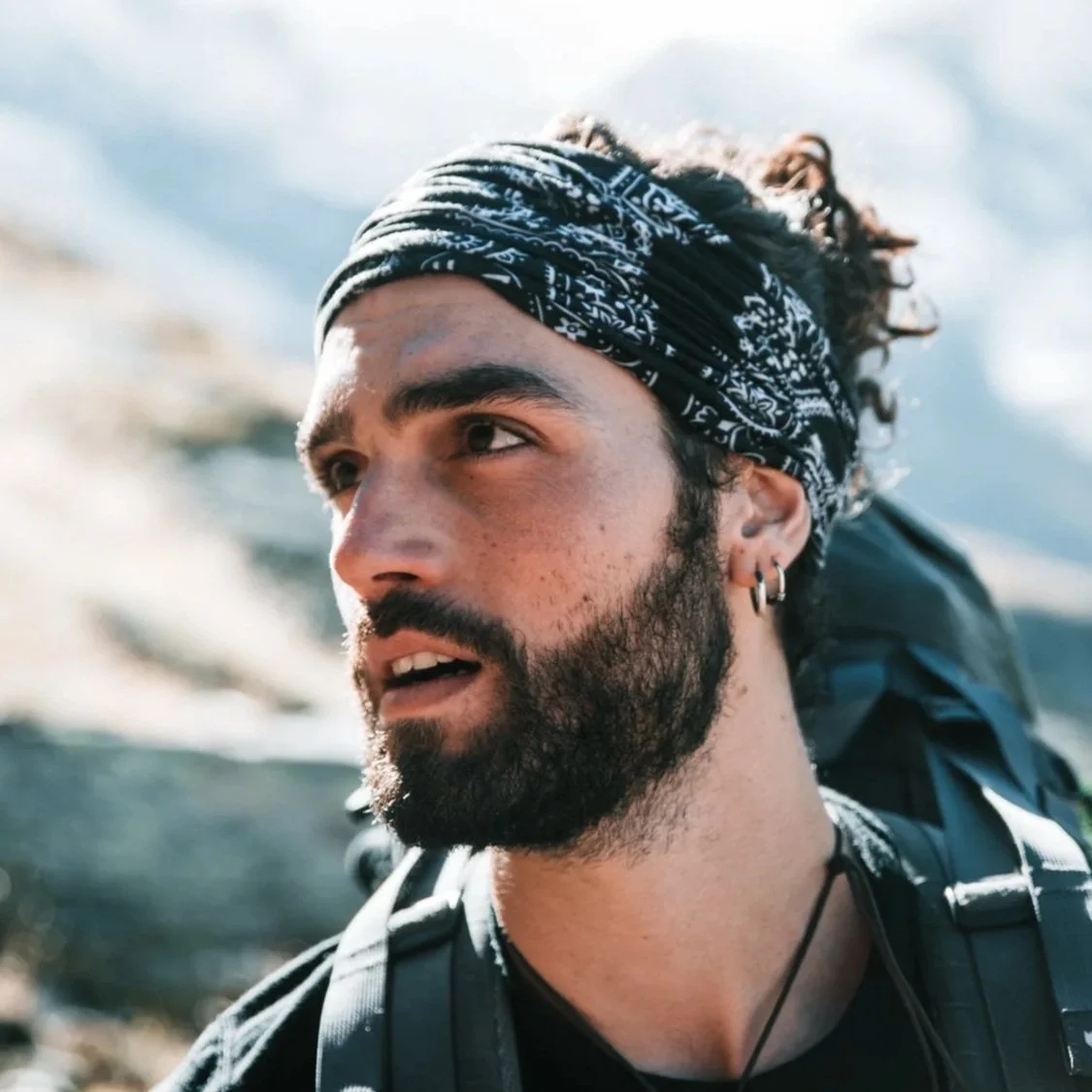
Jorn Vetter
Founder, Researcher & Lead Recovery Counselor
Jorn Vetter is the founder of Recovery Outdoor, as well as a researcher and lead recovery counselor. His work is shaped by lived experience of long-term recovery and sustained engagement with Indigenous worldviews, particularly Native American culture, tradition, and ceremony, informing a relational and place-based understanding of healing. Alongside this, he has explored wilderness and adventure therapy practices across the United States, Australia, and New Zealand. As founder, Jorn shapes the overall vision of Recovery Outdoors, ensuring alignment between practice, training, and research, while working directly with participants through relational, peer-informed, and nature-based recovery support focused on substance use disorder in a European context.
-
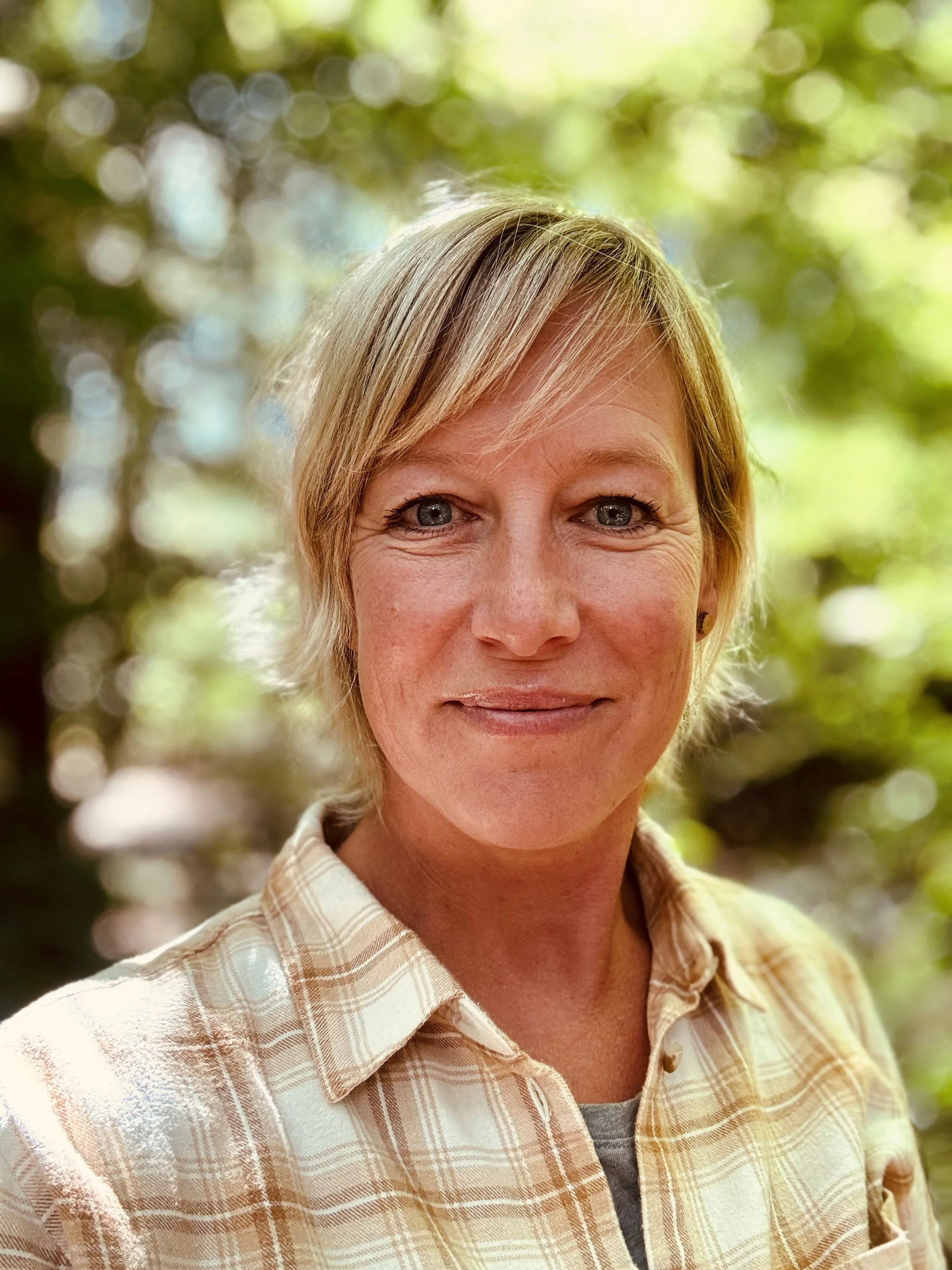
Carina Ribe Fernee
Academic Mentor & Nordic Outdoor Therapy Representative
Carina is a senior researcher in child and adolescent mental health at Sørlandet Hospital and affiliated with the University of Agder, where she is responsible for postgraduate education in nature-based therapeutic work. She has played a central role in the development of friluftsterapi for youth and families in Norway over the past decade and is actively involved in clinical research, training, and supervision. As a founder of the Norwegian Outdoor Therapy Association and a long-standing contributor to Nordic and international networks, Carina supports Recovery Outdoor through academic mentorship, research dialogue, and field-level connection. Her collaboration helps situate our work within Nordic Clinical Practice while strengthening method, ethic, and exchange across research fields.
-
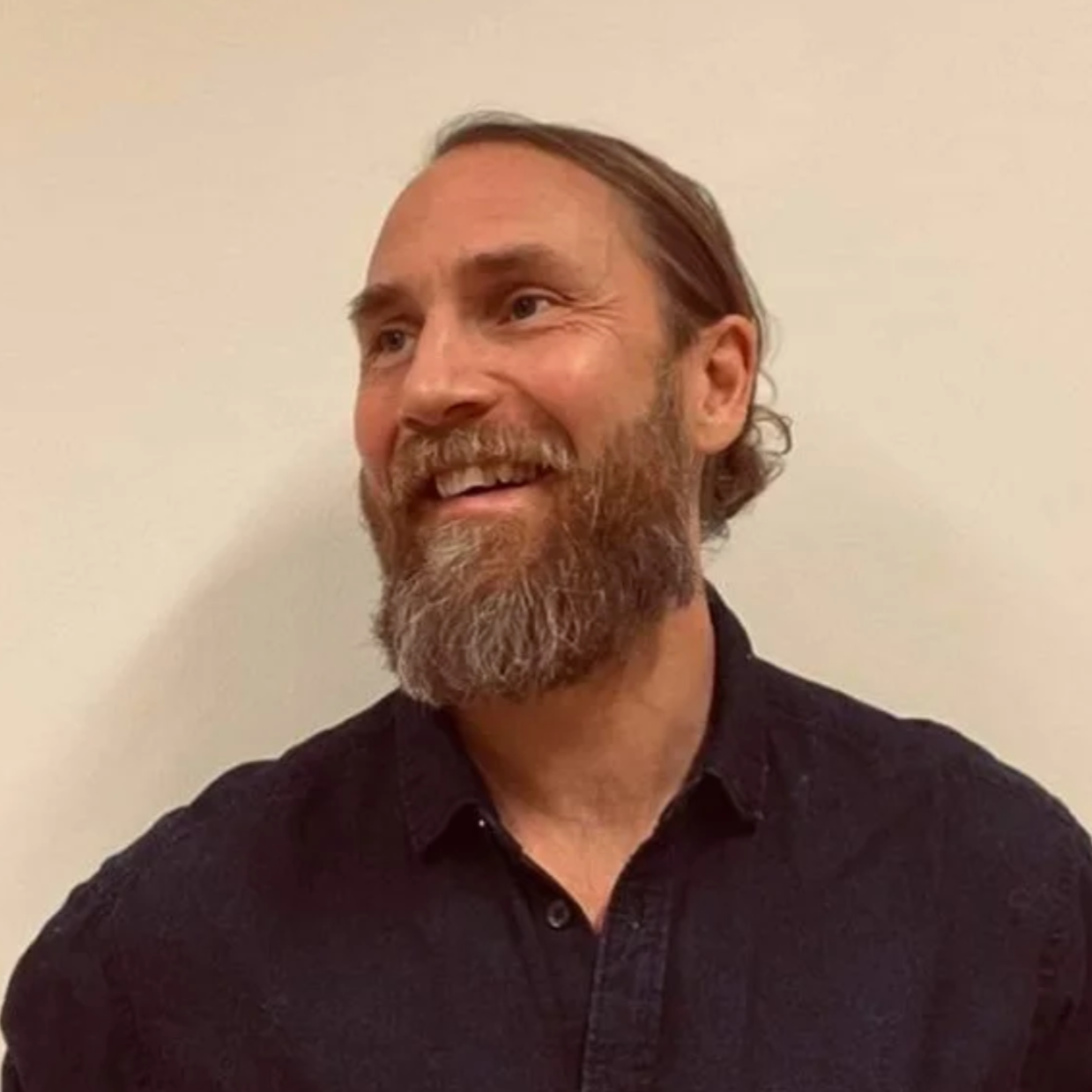
Martin Johnsson
Clinical Psychologist & Treatment Partner
Martin Johnsson is a licensed clinical psychologist whose work bridges attachment theory, trauma-informed clinical practice, and experiential approaches to healing; partnering with us in our shared commitment to delivering integrative recovery support. He is the founder of The Secure Base Lab, an international platform dedicated to sharing attachment-awareness in service of better mental and relational health. As our treatment partner and supervisor Martin supports our work through clinical consultation, conceptual development, and collaborative reflection on practice. His role supports both practitioners and participants, helping ensure that our work remains ethically grounded, psychologically informed, and responsive to the complex realities of recovery.
-
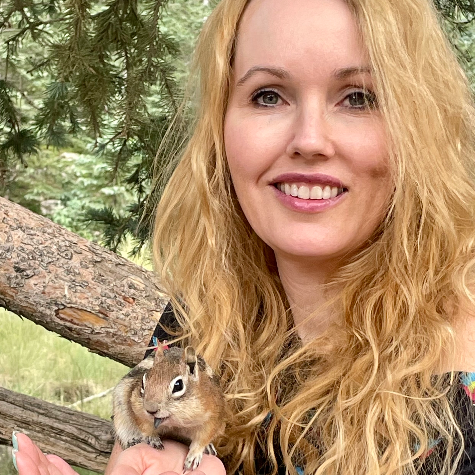
Charlotte Fiskum
Research Supervisor & Community Psychology Department Lead
Charlotte is a psychologist and academic with extensive experience in research, supervision, and leadership within psychology and mental health. Her work spans clinical psychology, developmental perspectives, and research methodology, with a strong emphasis emotion regulation, integrative therapeutic practice, and treatment ethic. As research supervisor to Recovery Outdoor, Charlotte supports the scientific quality, coherence, and academic positioning of our work, guiding study design, theory development, and publication strategy. Her involvement helps ensure that practice-based insights are translated into robust research that can meaningfully contribute to the wider psychological and mental health field. -
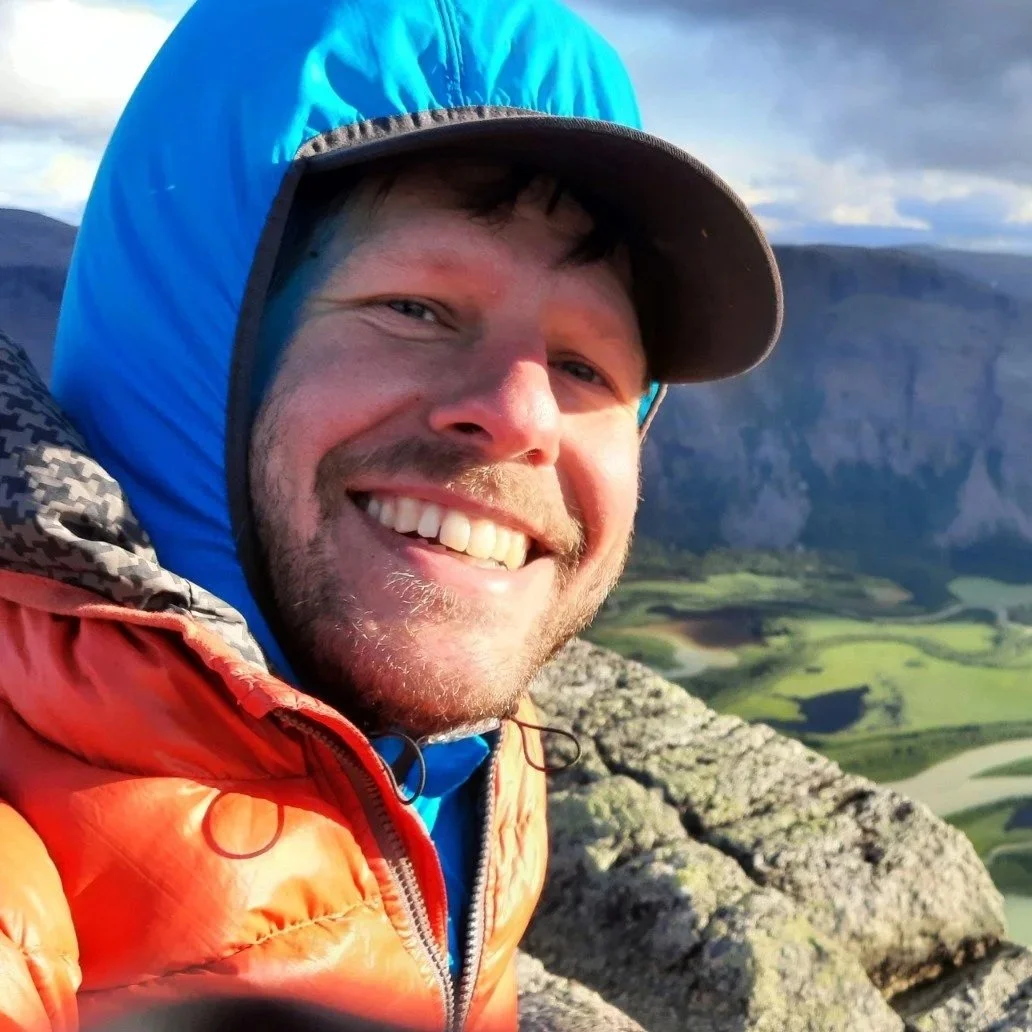
Micke Hanås
Wilderness Guide & Outdoor Educator
Micke Hanås is an experienced wilderness guide and outdoor educator whose work is grounded in hands-on learning and practical outdoor skills. With a background in working with disadvantaged youth in nature-based and mental health–related projects, he brings strong pedagogical awareness to his guiding practice. He has extensive experience leading groups by canoe, kayak, and on foot through forests and mountain landscapes of the Scandinavian Wilderness. Within Recovery Outdoor, Micke supports our recovery practice through trekking, paddling, and wilderness skills that foster presence, confidence, and connection through shared outdoor experience.
-
Joing our Team
Looking to collaborate or continue learning?
We are continuously learning and evolving as an organization, and we welcome dialogue with practitioners, guides, researchers, and peers who resonate with our approach to recovery. If you are working at the intersection of mental health, nature-based practice, and lived recovery experience—and are interested in contributing to a collaborative, reflective, and ethically grounded community of practice—we invite you to connect with us. Joining our team is less about filling roles, and more about growing shared capacity to support recovery across diverse European landscapes and contexts. If our work resonates with you, don’t hesitate to contact us to explore where we may collaborate